November 19, 2026
Replacing a garage door can look like a manageable home improvement project. Yet a garage door is a heavy moving system that depends on balanced springs, aligned tracks, secure hardware, and properly adjusted safety features. Mistakes can damage the door or cause serious injuries. Before deciding whether to tackle the work yourself or hire a technician, consider how professional garage door installations compare with DIY in terms of safety, cost, time, and long-term performance.
Why Choose Professional Expertise Over DIY?
A professional installer has experience with different door styles, materials, opening sizes, and operating systems. A garage door is not simply a set of panels that must fit between two walls. The installer assesses the opening and framing, selects compatible hardware, and ensures the door suits the space.
Measurements are an important first step. According to Bob Vila, an online home improvement resource, standard garage doors are generally about seven to ten feet wide and seven to eight feet high. Actual openings vary, however, and a standard size may not suit every garage. A professional measures the opening, headroom, side room, and backroom before recommending a door, helping prevent the purchase of an unsuitable product.
Professionals can also spot deteriorated framing, uneven floors, and insufficient clearance for certain track configurations. They understand how door weight, spring systems, and opener capacity work together. With professional garage door installations, components are selected and adjusted as a system rather than treated as unrelated parts.
DIY may suit someone with mechanical experience replacing a simple component, but a full installation is more demanding than manufacturer instructions alone can convey.
How Do Safety Considerations Differ Between Professional and DIY Installations?
Safety is one of the strongest reasons to leave a garage door installation to trained technicians. Garage doors can weigh hundreds of pounds, and their spring systems store substantial mechanical energy. Torsion springs are under especially high tension. Incorrectly winding, loosening, or removing them can cause severe injuries. Cables and brackets can also move unexpectedly if handled improperly.
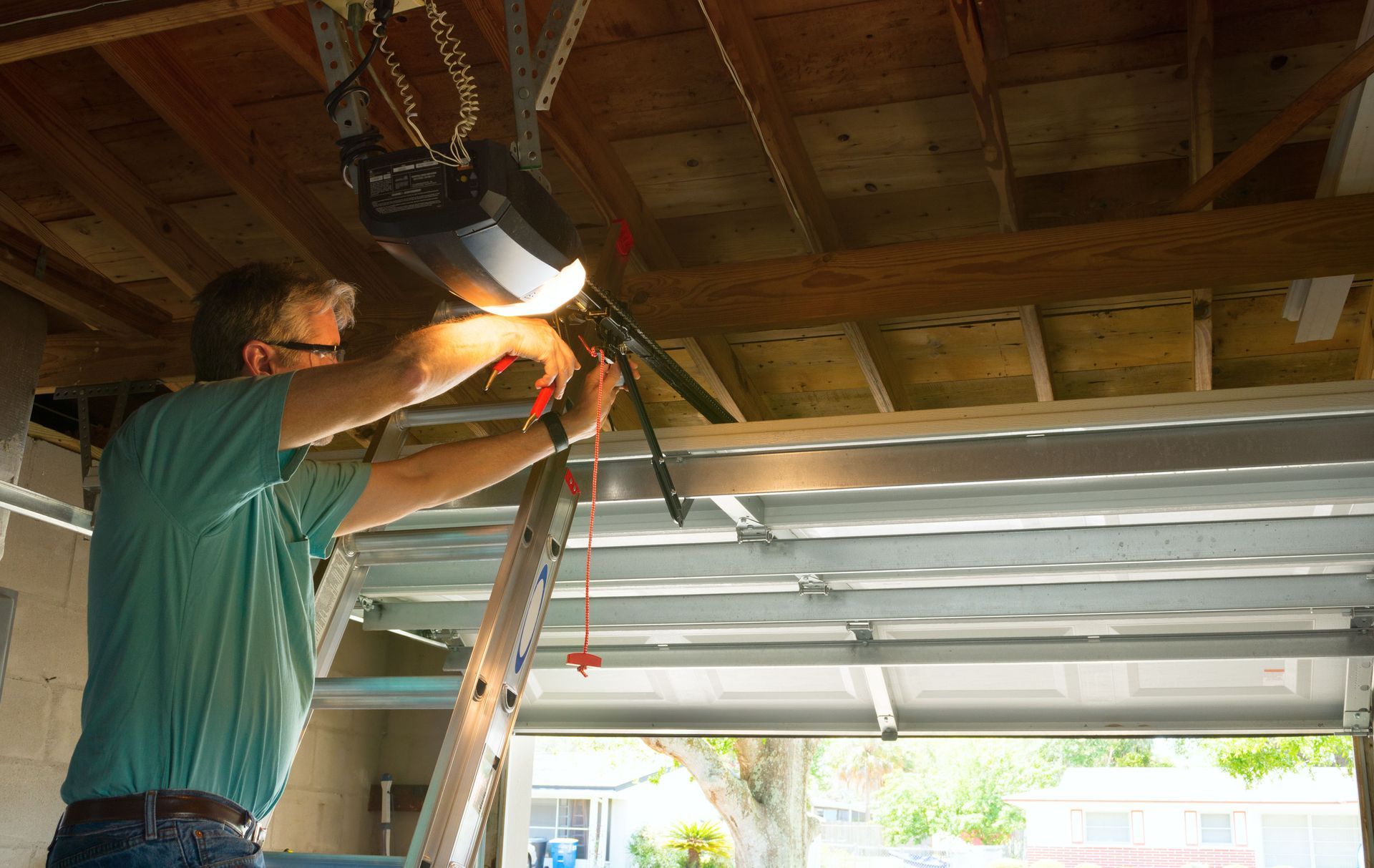
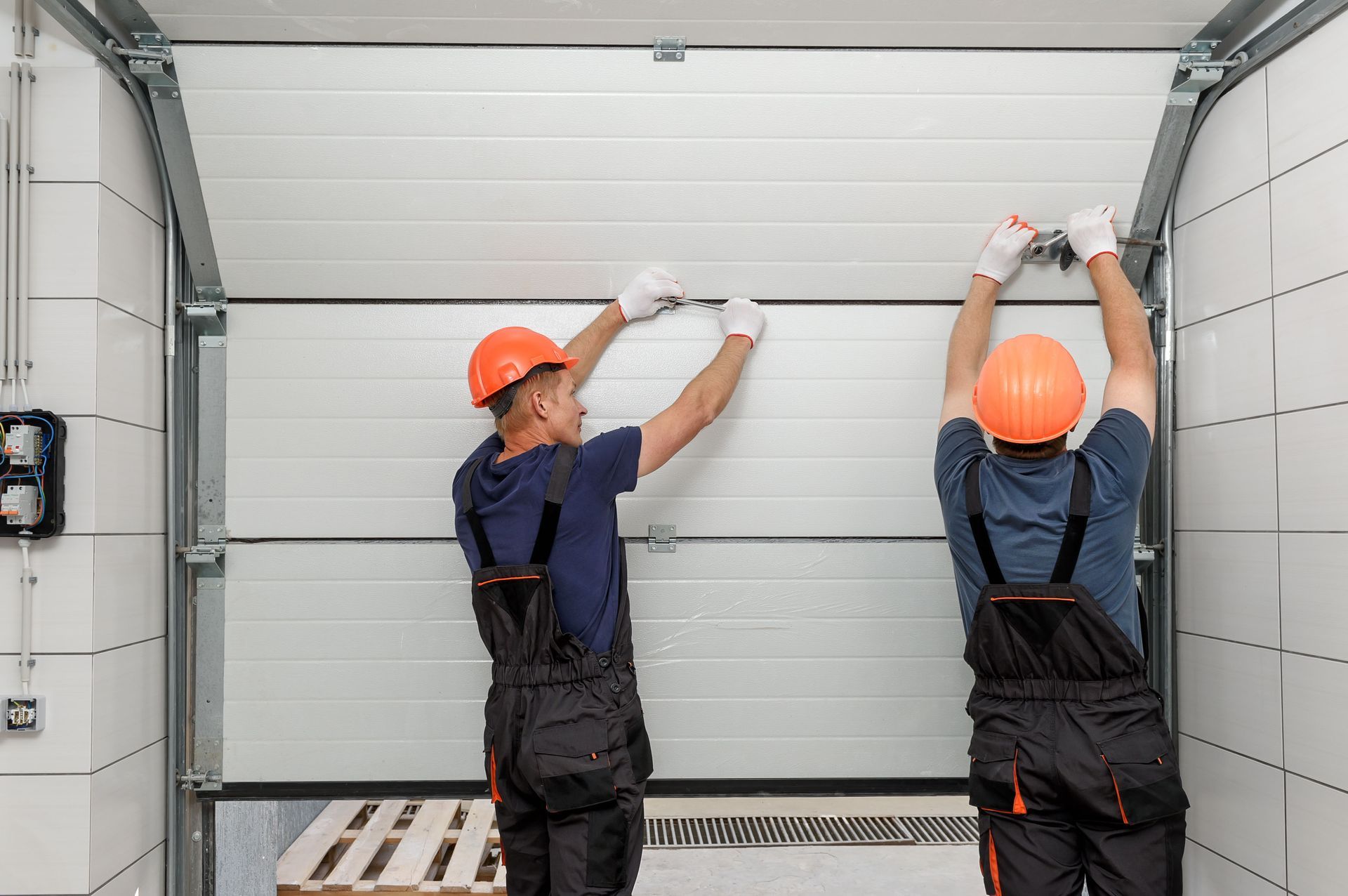
Professional installers use appropriate tools and established procedures. They secure the work area, support heavy sections, and take care when handling springs, cables, rollers, and tracks.
Basic tools and confidence do not necessarily provide the equipment or experience required; improvised supports, incorrect fasteners, and rushed work introduce additional hazards.
Safety checks continue after assembly. The installer should verify that the door is balanced, moves smoothly, and remains securely on its tracks. The opener's photoelectric sensors and automatic reversal system must also be tested and adjusted according to manufacturer instructions. These features help prevent the door from closing on a person, pet, or object. A door that opens and closes is not automatically safe; it must respond correctly when an obstruction is present.
What Are the Cost Differences Between Professional Installations and DIY?
DIY garage door installations may appear less expensive because homeowners avoid labor charges. That comparison is incomplete. The total includes the door, hardware, possibly an opener, and any specialized tools or equipment.
Homeowners who do not own the required tools may need to rent or purchase them. Incorrect parts, damaged panels, or unexpected framing repairs can add expense. If a mistake requires a professional to correct it, the homeowner may pay for both the original attempt and the repair.
Garage door installations include an upfront labor cost, but the quote typically reflects fitting and adjusting the system. It may also include removal and disposal of the old door, depending on the agreement. Before comparing estimates, confirm what is included, whether the opener is part of the price, and whether repairs or upgrades cost extra.
The cheapest option is not necessarily the most economical over the door's lifespan. Poor alignment can cause premature wear, while incorrect spring tension can strain the opener. Garage door installations may cost more initially but reduce avoidable repairs. Request an itemized estimate to compare the cost of professional
garage door installations with the full expense and risks of doing the work independently.
How Does Time Investment Compare: Professional vs. DIY?
An experienced crew with the right equipment can often install a residential garage door in several hours. Timing depends on the door, opening condition, opener work, and old-door removal; custom configurations or repairs can add time.
A DIY project can take considerably longer, especially for someone who has never installed a garage door. Time is needed to study instructions, check measurements, gather tools, organize heavy sections, assemble tracks, fit hardware, install springs, and test the system. A helper may be necessary to lift and position panels safely. If a part does not fit or a step is unclear, work may stop while the homeowner seeks advice or obtains replacement components.
Removing the old door, sorting hardware, disposing of materials, and making adjustments add time. An unusable garage may also inconvenience a household that relies on it for parking or access.
Hiring a professional makes the process more predictable. A qualified installer arrives with the tools and experience to work efficiently and identify complications early. For homeowners with limited free time, that convenience can be as valuable as the labor itself.
What Are the Long-Term Benefits of a Professional Installation?
A correctly installed garage door should operate smoothly, sit evenly in its opening, and place appropriate demands on the opener. Garage door installations help establish those conditions. Technicians adjust track alignment, spring tension, and travel limits so the door moves as intended. Proper setup can reduce friction and stress on moving parts.
That attention may help extend the useful life of the door and its hardware. An unbalanced door can make the opener work harder than necessary. Misaligned tracks can cause noisy operation, uneven wear, or binding rollers. These issues can go unnoticed until repairs are needed.
Warranty coverage is another consideration. Some manufacturers require installation according to their instructions, and improper work may affect certain warranties. Professional work does not automatically guarantee coverage, so review the manufacturer's terms and ask what workmanship protection the installer provides. Keep installation documents in case a service issue arises.
Professionals can also explain basic maintenance, such as visual inspections, keeping tracks clear, and recognizing signs that service is needed. Homeowners should not adjust high-tension springs themselves, but they can watch for unusual noises, jerky movement, frayed cables, or changes in balance. Arrange an inspection if these warning signs appear.
These benefits matter in households that use the garage door daily. Reliable operation, properly adjusted safety features, and fewer preventable problems improve everyday convenience. Professional garage door installations provide setup and verification that can be difficult to reproduce without specialized training.
Choosing between professional and DIY garage door installations involves more than comparing the initial price. A do-it-yourself approach may appeal to a capable homeowner, but a complete installation involves heavy components, high-tension springs, precise measurements, and safety systems that must work correctly. Professional service offers experience, appropriate equipment, efficient completion, and careful adjustment. It also provides peace of mind knowing that the door has been installed and tested by someone familiar with the complexities of the system.
Consider your mechanical experience, available time, tools, and comfort with the risks. Compare detailed estimates, confirm what each installer includes, and review warranty requirements. For most homeowners, hiring a qualified professional is a practical investment in safety, dependable performance, and long-term value. If you need garage door services, reach out to Tier1 Garage Doors today!