

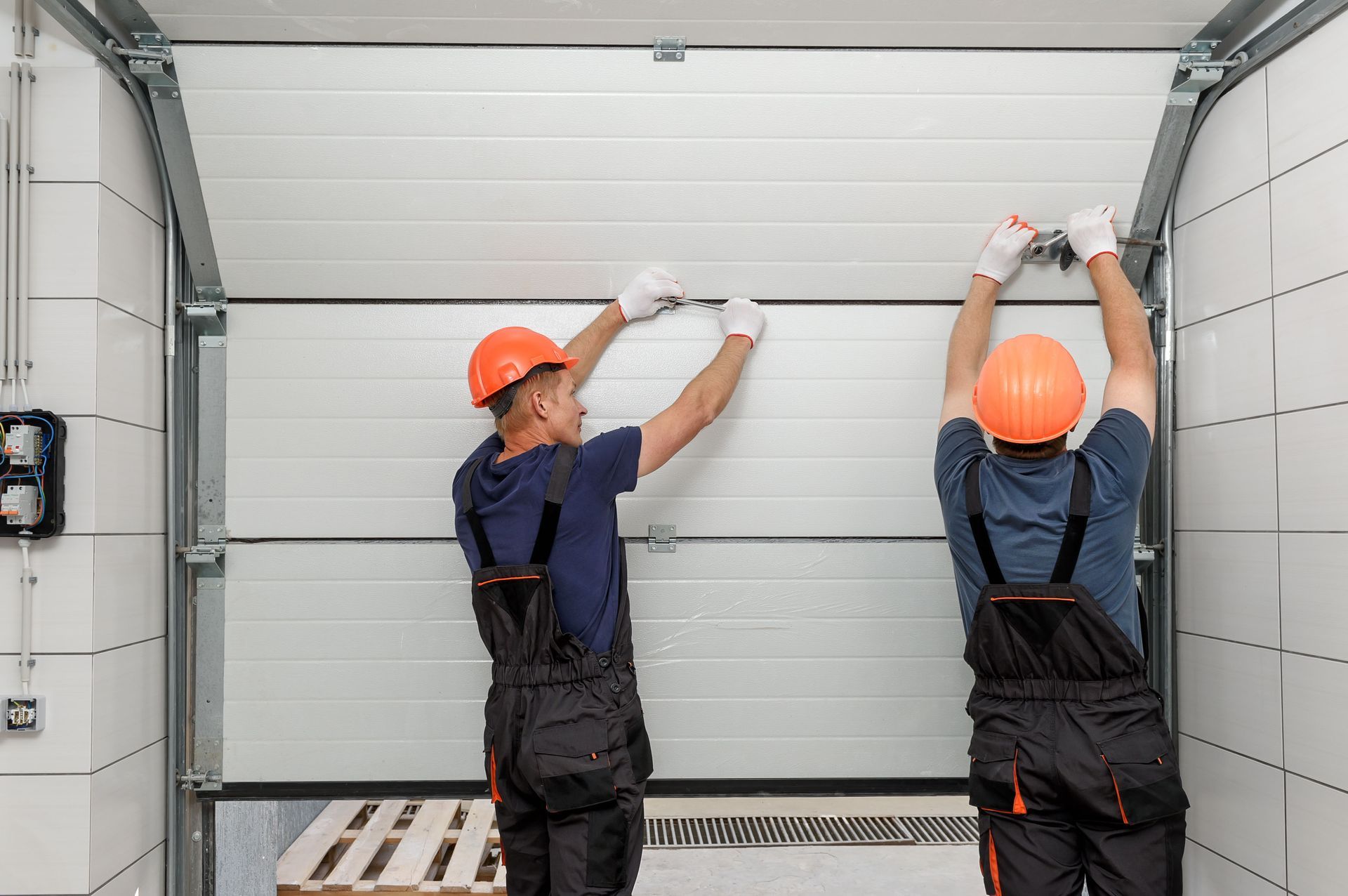
Garage Door Repair Safety Tips to Protect Your Family and Property
November 14, 2026

November 14, 2026

Your overhead portal serves as the main everyday entryway for modern households, welcoming family members home safely after long days. Investing in timely garage door repair keeps this massive moving wall operating smoothly, prevents sudden accidents, preserves household property, and adds everyday convenience. Understanding core safety guidelines helps you protect your loved ones while keeping daily routines running like clockwork.


Respecting the Power of Tightly Wound Springs

High-tension springs perform the heavy lifting every single time your overhead barrier glides up and down along its tracks. These tightly coiled metal components counterbalance hundreds of pounds of solid wood, steel, or composite paneling effortlessly. Because they store incredible mechanical energy day in and day out, normal metal fatigue eventually weakens the steel coils. Recognizing when these parts begin groaning under strain is essential for maintaining household safety.


When a torsion spring snaps, it releases pent-up energy with a sound resembling a loud gunshot echoing inside your space. Metal fragments can fly across the room if protective containment rods are missing or worn out. Attempting to adjust these components without formal training introduces severe hazards that no homeowner should ever risk. Modern residential setups rely on specialized counterbalance systems that demand delicate adjustments. A licensed technician possesses the correct winding bars and calibrated instruments required to balance this intense physical tension safely.


Scheduling timely garage door repair prevents sudden cable snaps that leave heavy panels hanging crookedly in the tracks. Trained professionals measure wire thickness and inspect drum grooves to make sure the entire lifting assembly remains properly aligned. Keeping these counterbalance mechanisms properly tuned keeps your entire system balanced, quiet, and dependable through all seasons of the year.


Verifying the Response of Modern Sensor Eyes

Photoelectric eyes mounted near the floor on opposite sides of the door track create an invisible protective safety beam. This infrared line stops the heavy overhead panel from closing downward whenever a toddler, playful pet, or bicycle crosses the threshold. Keeping these optical lenses clear of dust, spiderwebs, and garden debris allows the safety mechanism to function properly. Regular visual checks confirm that the tiny indicator lights glow steadily without flickering.


Sunlight glare occasionally blinds these delicate optical receivers, causing the overhead motor to reverse unexpectedly while blinking its diagnostic lights. Vibrations from daily travel can also shake mounting brackets loose, knocking the two eyes out of direct line-of-sight alignment. Wiping down the small glass lenses with a dry microfiber cloth clears away settled pollen and grime that disrupt the beam. Small adjustments to the bracket angles quickly restore the continuous light connection. Reliable sensor performance guarantees that the motorized unit stops immediately whenever anything interrupts the path.


Routine garage door repair includes comprehensive sensitivity testing along with careful wiring inspections from the sensors back to the motor head. Technicians verify that the internal electronic logic boards process stop signals in fractions of a second. This dependable optical barrier provides tremendous peace of mind, especially for lively households filled with young children and energetic dogs running through the open driveway.


Checking the Balance of Heavy Moving Panels

An overhead barrier should feel light and easy to lift manually when disconnected from the automatic trolley arm. If the springs are balanced properly, a typical adult can raise the entire assembly with a single hand using the bottom lift handle. The panel should stay resting securely at waist height without slipping downward or flying rapidly toward the ceiling. Experiencing heavy resistance indicates that the counterbalance system requires prompt technical attention.


According to This Old House, in addition to increasing curb appeal, a new garage door can bring an 85% to 95% return on investment. Beyond offering impressive financial returns, a well-balanced barrier protects your electric opener motor from burning out its internal drive gears prematurely. Proper balance minimizes physical strain on overhead cables so the whole system operates smoothly under any weather conditions. When panels drag unevenly along the steel tracks, the motor strains against unnecessary friction, which drives up household energy consumption and accelerates mechanical wear.


Arranging professional garage door repair restores proper equilibrium before uneven weight distribution bends roller stems or warps horizontal tracks. Service experts adjust spring tension down to the millimeter, making sure each side carries an equal portion of the load. A perfectly balanced system moves with whisper-quiet grace, preventing sudden jarring drops that could damage vehicles parked directly below.


Inspecting the Wear of Essential Steel Hardware

Tracks, steel hinges, ball-bearing rollers, and heavy lift brackets work continuously as a team to guide your barrier along its path. Over thousands of open and close cycles, metal rollers develop flat spots, bearings lose their grease, and hinge fasteners vibrate loose. Squeaking, grinding noises, and jerky movement are classic warning signs that your mechanical hardware requires immediate technical evaluation and tune-up.


Loose lag bolts along the vertical wall tracks allow metal rails to shift out of plumb alignment. If a roller pops out of a spread track while the heavy panel is moving, the entire door can drop or jam sideways instantly. Checking the track brackets periodically allows specialists to tighten loose bolts before the vertical channels shift out of plumb. Technicians examine roller stems for excessive play, checking each hinge leaf for stress cracks near the pivot pins. Replacing worn stamped steel hinges with heavy-duty commercial alternatives strengthens the entire wall.


Prompt garage door repair resolves track spreading and bent roller stems before critical metal parts bind together and freeze the assembly. Technicians apply specialized non-sticky lubricants to pivot points, keeping dust and grit from turning into an abrasive paste inside moving components. Taking good care of these fundamental hardware pieces keeps your access portal operating smoothly through chilly winters and blazing summers alike.


Testing the Sensitivity of Automatic Safety Reversals

Modern electric openers feature an internal pressure sensor designed to reverse upward if the bottom edge meets physical resistance while closing. Federal safety regulations mandate this secondary defense to prevent crushing injuries if the optical sensors happen to miss an object. Checking this mechanical reversal feature regularly gives you total confidence that the motor will not exert dangerous downward force on anything.


Testing involves placing a solid object flat on the concrete floor directly beneath the center of the descending panel path. When the bottom rubber seal strikes the object, the electric motor should immediately stop its travel and reverse back toward the open position. Conducting this quick test every couple of months confirms that internal motor limit switches respond accurately to unexpected contact. If the motor continues humming, pushes hard against the object, or refuses to back away, the force settings require immediate recalibration.


Professional garage door repair includes electronic torque adjustments, limit travel calibration, and testing the emergency manual release cord. Technicians calibrate the opener logic to apply just enough downward pressure to seal out drafts without creating a safety hazard. Having properly set force limits protects your vehicles, garden tools, and family members from unexpected downward impacts during daily operation.


Keeping your overhead access portal safe, balanced, and responsive protects your family while preserving the overall value of your residential property. Regular professional inspections eliminate small mechanical glitches before they turn into major safety concerns. Reliable garage door services keep your home secure, convenient, and operating at peak performance for years to come. Contact Tier1 Garage Doors to keep your home safe and secure.

local garage door repair
October 15, 2026
Learn how to spot early warning signs, from strange noises to faulty sensors, and protect your home with prompt local garage door repair.

local garage door installation
September 25, 2026
Learn what to expect from a local garage door installation, including measurements, removal, setup, safety testing, and ongoing maintenance.
By 7049874133 • July 14, 2026
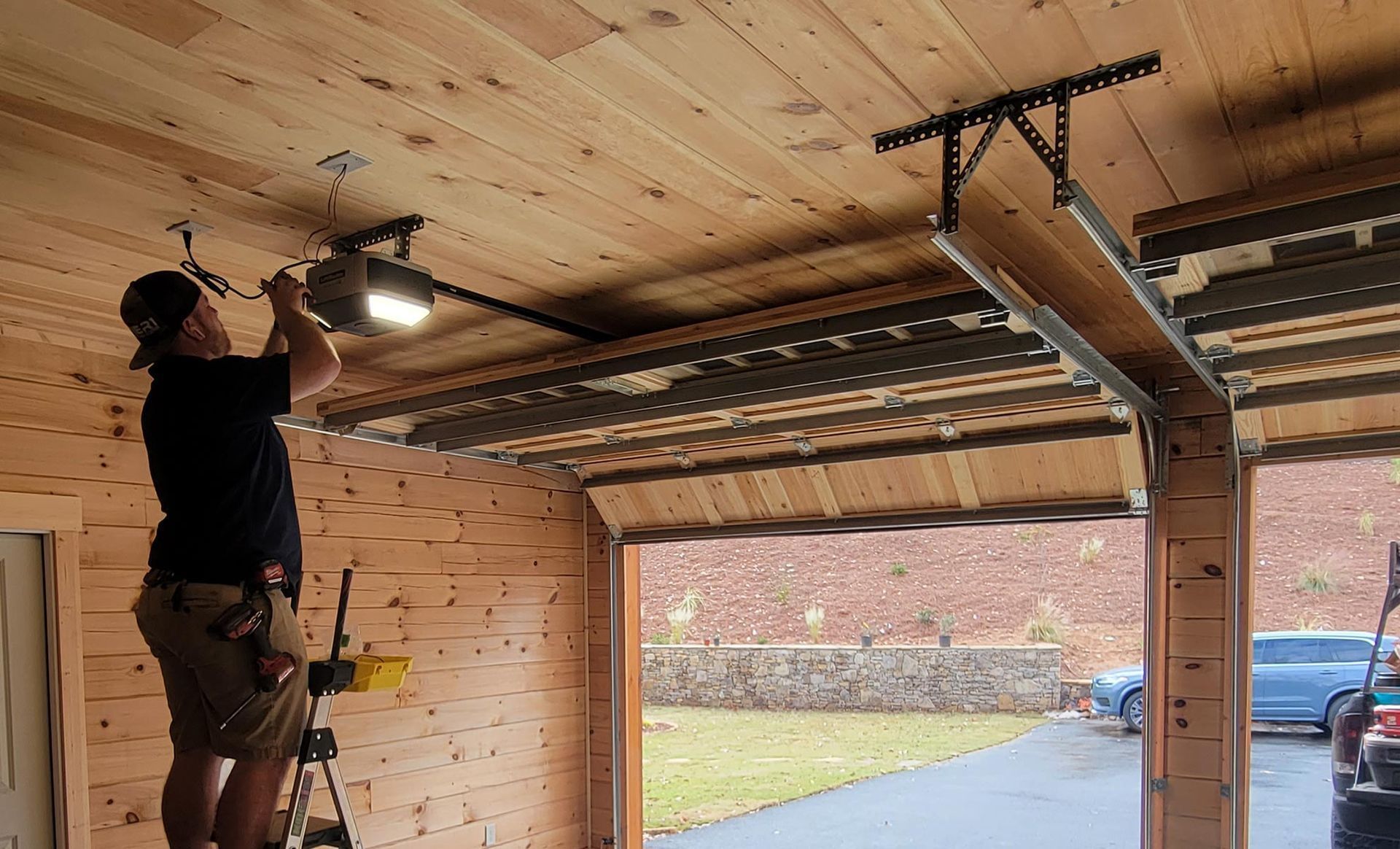
LED bulbs have become the go-to lighting choice for homeowners thanks to their energy efficiency, long lifespan, and low heat output. They're an excellent option for garage door openers and garage lighting. However, many homeowners are surprised to learn that certain LED bulbs can create an unexpected issue: interference with garage door remote signals. At Tier 1 Garage Door, we've helped countless homeowners troubleshoot garage door opener problems that were ultimately traced back to LED lighting and other electronic devices. Understanding how interference works can save you time, frustration, and unnecessary service calls. Why LED Bulbs Are Popular for Garage Door Openers LED bulbs offer several advantages over traditional incandescent bulbs: They consume significantly less electricity. They last much longer than standard bulbs. They produce less heat, making them safer for enclosed fixtures. They require less frequent replacement, reducing maintenance. For these reasons, many garage door manufacturers recommend LED lighting for opener units. The Hidden Problem: Radio Frequency Interference One of the most common causes of garage door remote range problems is radio frequency (RF) interference. Your garage door remote communicates with the opener using radio signals. If another device creates electrical noise on a similar frequency, it can disrupt that communication. Unfortunately, some LED bulbs—particularly inexpensive or lower-quality models—can generate electrical interference that affects the signal between your remote and garage door opener. When this happens, homeowners often notice that their remote suddenly stops working from normal distances and only functions when standing very close to the garage door. Signs Your LED Bulbs May Be Causing Interference If you've recently changed bulbs in your garage door opener or garage lighting, watch for these common symptoms: Reduced remote control operating range Delayed response when pressing the remote button Inconsistent garage door operation Remote working only when you're near the opener Problems that appeared shortly after changing bulbs Many homeowners assume their remote battery is failing or the opener itself is malfunctioning when the real culprit is signal interference. Smart Garage Door Systems Can Be More Sensitive Today's garage door operators often include advanced features such as: Wi-Fi connectivity Smartphone controls Integrated cameras Smart home integration While these features add convenience, they can also increase the system's sensitivity to electronic interference. Multiple wireless devices operating in the same area can create additional opportunities for signal disruption. Other Devices That Can Affect Remote Range for your Garage Door Opener LED bulbs aren't always the only source of interference. Several common garage electronics may impact garage door remote performance, including: LED shop lights Security camera systems Battery chargers Wi-Fi routers Smartphone chargers Smart home devices In some cases, interference issues seem to come and go depending on which devices are powered on at the time. This can make diagnosing the problem more challenging. A Reliable LED Option We Recommend At Tier 1 Garage Door, we typically use SYLVANIA ECO LED A19 60W bulbs as a cost-effective lighting solution for garage door operators. These bulbs have performed well in many installations while providing the energy savings and longevity homeowners expect from LED technology. How to Test for Interference in your Garage Door Whenever you install new bulbs or add electronic devices to your garage, it's a good idea to test your garage door remote from normal operating distances. If you notice changes in range or response time, try these troubleshooting steps: Remove or temporarily turn off the suspected device. Test the remote again from your usual distance. Replace questionable LED bulbs with a recommended alternative. Check for other electronics that may have been recently installed. Contact a professional garage door technician if the issue persists. Early testing can help identify interference problems before they become ongoing frustrations. Trust Tier 1 Garage Door for Expert Garage Door Solutions Garage door opener technology continues to evolve, and sometimes even a simple bulb change can affect system performance. If your remote suddenly loses range, responds inconsistently, or stops working reliably, interference may be the cause. The experienced team at Tier 1 Garage Door can help diagnose opener issues, recommend compatible products, and ensure your entire system operates safely and reliably. Contact Tier 1 Garage Door today for expert garage door opener service, repair, and troubleshooting. Frequently Asked Questions 1. Can LED bulbs interfere with garage door remotes? Yes. One of the most common causes of garage door remote range issues is radio frequency interference from LED bulbs. Certain bulbs can generate electrical noise that disrupts communication between the remote and the opener. 2. Why does my garage door remote only work when I'm close to the door? This is often a sign of signal interference. Cheap or low-quality LED bulbs may create electrical noise that reduces the effective operating range of your garage door remote. 3. Are smart garage door openers more susceptible to interference? Garage door operators equipped with Wi-Fi, cameras, or smart home connectivity can be more sensitive to interference issues because they utilize additional wireless and electronic components. 4. Can other electronics in my garage affect my garage door remote? Yes. Devices such as LED shop lights, security cameras, battery chargers, Wi-Fi routers, and even some phone chargers can interfere with garage door remote signals. 5. What are the warning signs of garage door opener signal interference? Delayed response times and reduced remote operating distance after changing bulbs or installing new electronics are common indicators of signal interference. Testing your remotes after making these changes can help identify problems early.

Show More →