
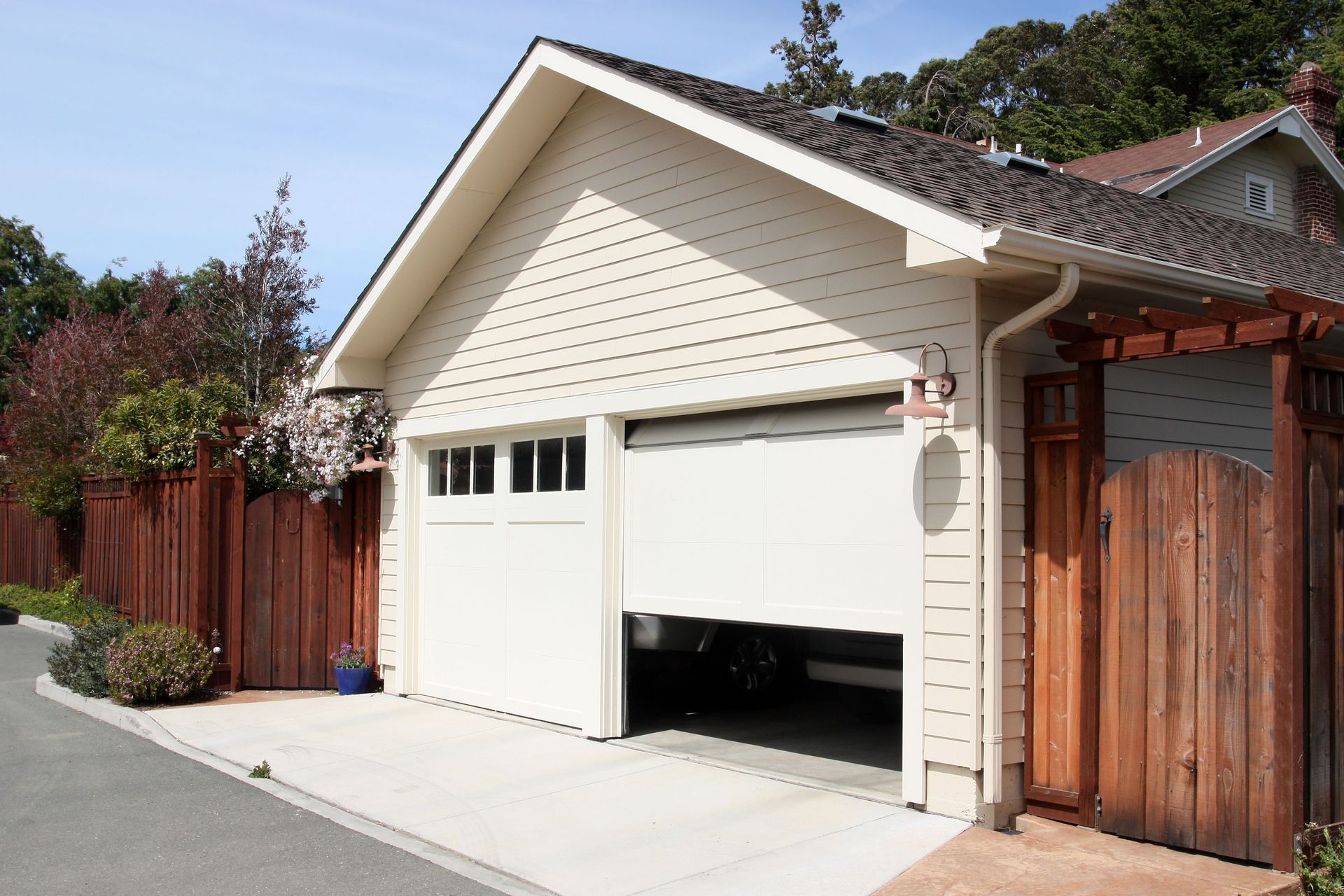
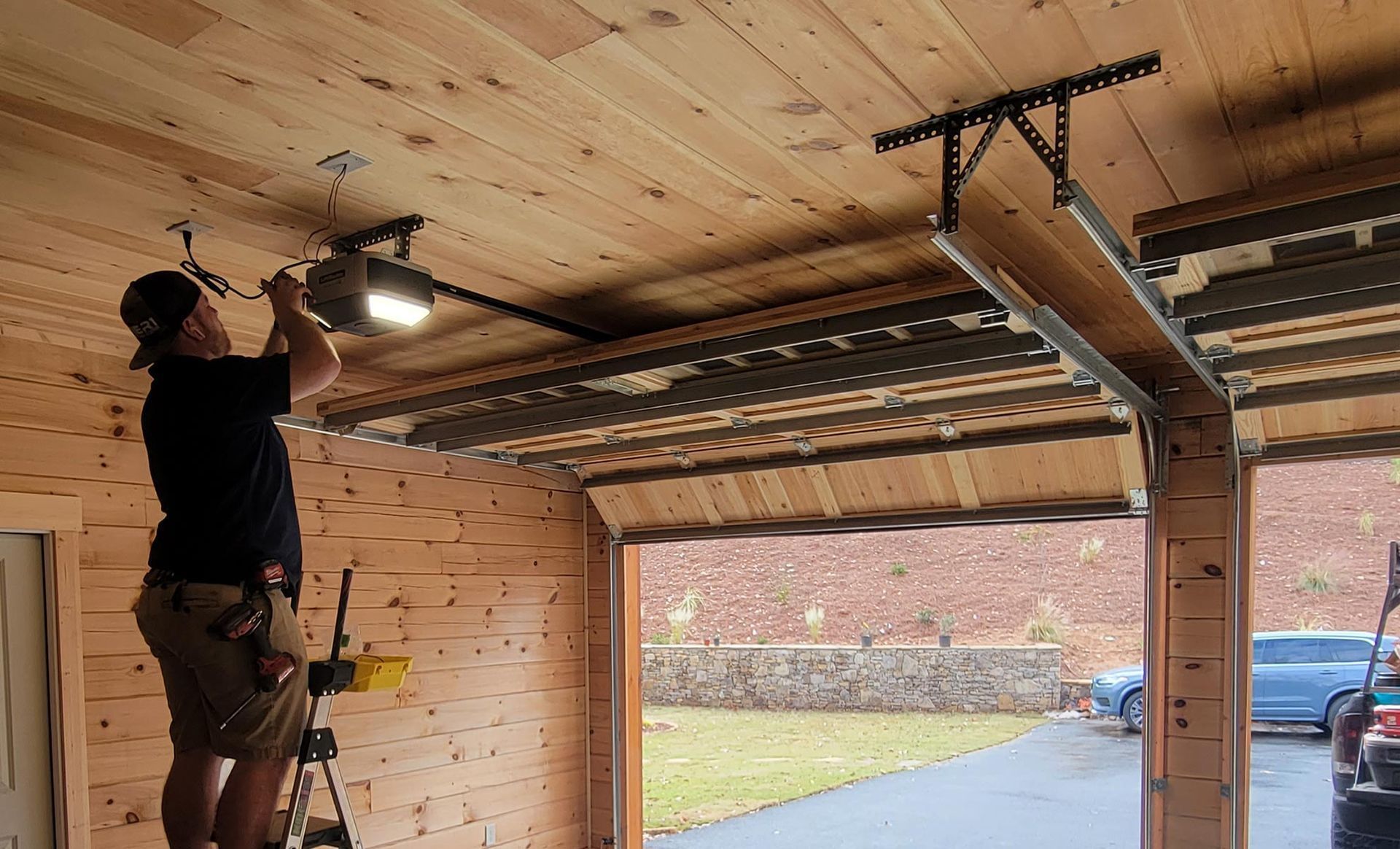
LED bulbs have become the go-to lighting choice for homeowners thanks to their energy efficiency, long lifespan, and low heat output. They're an excellent option for garage door openers and garage lighting. However, many homeowners are surprised to learn that certain LED bulbs can create an unexpected issue: interference with garage door remote signals. At Tier 1 Garage Door, we've helped countless homeowners troubleshoot garage door opener problems that were ultimately traced back to LED lighting and other electronic devices. Understanding how interference works can save you time, frustration, and unnecessary service calls. Why LED Bulbs Are Popular for Garage Door Openers LED bulbs offer several advantages over traditional incandescent bulbs: They consume significantly less electricity. They last much longer than standard bulbs. They produce less heat, making them safer for enclosed fixtures. They require less frequent replacement, reducing maintenance. For these reasons, many garage door manufacturers recommend LED lighting for opener units. The Hidden Problem: Radio Frequency Interference One of the most common causes of garage door remote range problems is radio frequency (RF) interference. Your garage door remote communicates with the opener using radio signals. If another device creates electrical noise on a similar frequency, it can disrupt that communication. Unfortunately, some LED bulbs—particularly inexpensive or lower-quality models—can generate electrical interference that affects the signal between your remote and garage door opener. When this happens, homeowners often notice that their remote suddenly stops working from normal distances and only functions when standing very close to the garage door. Signs Your LED Bulbs May Be Causing Interference If you've recently changed bulbs in your garage door opener or garage lighting, watch for these common symptoms: Reduced remote control operating range Delayed response when pressing the remote button Inconsistent garage door operation Remote working only when you're near the opener Problems that appeared shortly after changing bulbs Many homeowners assume their remote battery is failing or the opener itself is malfunctioning when the real culprit is signal interference. Smart Garage Door Systems Can Be More Sensitive Today's garage door operators often include advanced features such as: Wi-Fi connectivity Smartphone controls Integrated cameras Smart home integration While these features add convenience, they can also increase the system's sensitivity to electronic interference. Multiple wireless devices operating in the same area can create additional opportunities for signal disruption. Other Devices That Can Affect Remote Range for your Garage Door Opener LED bulbs aren't always the only source of interference. Several common garage electronics may impact garage door remote performance, including: LED shop lights Security camera systems Battery chargers Wi-Fi routers Smartphone chargers Smart home devices In some cases, interference issues seem to come and go depending on which devices are powered on at the time. This can make diagnosing the problem more challenging. A Reliable LED Option We Recommend At Tier 1 Garage Door, we typically use SYLVANIA ECO LED A19 60W bulbs as a cost-effective lighting solution for garage door operators. These bulbs have performed well in many installations while providing the energy savings and longevity homeowners expect from LED technology. How to Test for Interference in your Garage Door Whenever you install new bulbs or add electronic devices to your garage, it's a good idea to test your garage door remote from normal operating distances. If you notice changes in range or response time, try these troubleshooting steps: Remove or temporarily turn off the suspected device. Test the remote again from your usual distance. Replace questionable LED bulbs with a recommended alternative. Check for other electronics that may have been recently installed. Contact a professional garage door technician if the issue persists. Early testing can help identify interference problems before they become ongoing frustrations. Trust Tier 1 Garage Door for Expert Garage Door Solutions Garage door opener technology continues to evolve, and sometimes even a simple bulb change can affect system performance. If your remote suddenly loses range, responds inconsistently, or stops working reliably, interference may be the cause. The experienced team at Tier 1 Garage Door can help diagnose opener issues, recommend compatible products, and ensure your entire system operates safely and reliably. Contact Tier 1 Garage Door today for expert garage door opener service, repair, and troubleshooting. Frequently Asked Questions 1. Can LED bulbs interfere with garage door remotes? Yes. One of the most common causes of garage door remote range issues is radio frequency interference from LED bulbs. Certain bulbs can generate electrical noise that disrupts communication between the remote and the opener. 2. Why does my garage door remote only work when I'm close to the door? This is often a sign of signal interference. Cheap or low-quality LED bulbs may create electrical noise that reduces the effective operating range of your garage door remote. 3. Are smart garage door openers more susceptible to interference? Garage door operators equipped with Wi-Fi, cameras, or smart home connectivity can be more sensitive to interference issues because they utilize additional wireless and electronic components. 4. Can other electronics in my garage affect my garage door remote? Yes. Devices such as LED shop lights, security cameras, battery chargers, Wi-Fi routers, and even some phone chargers can interfere with garage door remote signals. 5. What are the warning signs of garage door opener signal interference? Delayed response times and reduced remote operating distance after changing bulbs or installing new electronics are common indicators of signal interference. Testing your remotes after making these changes can help identify problems early.
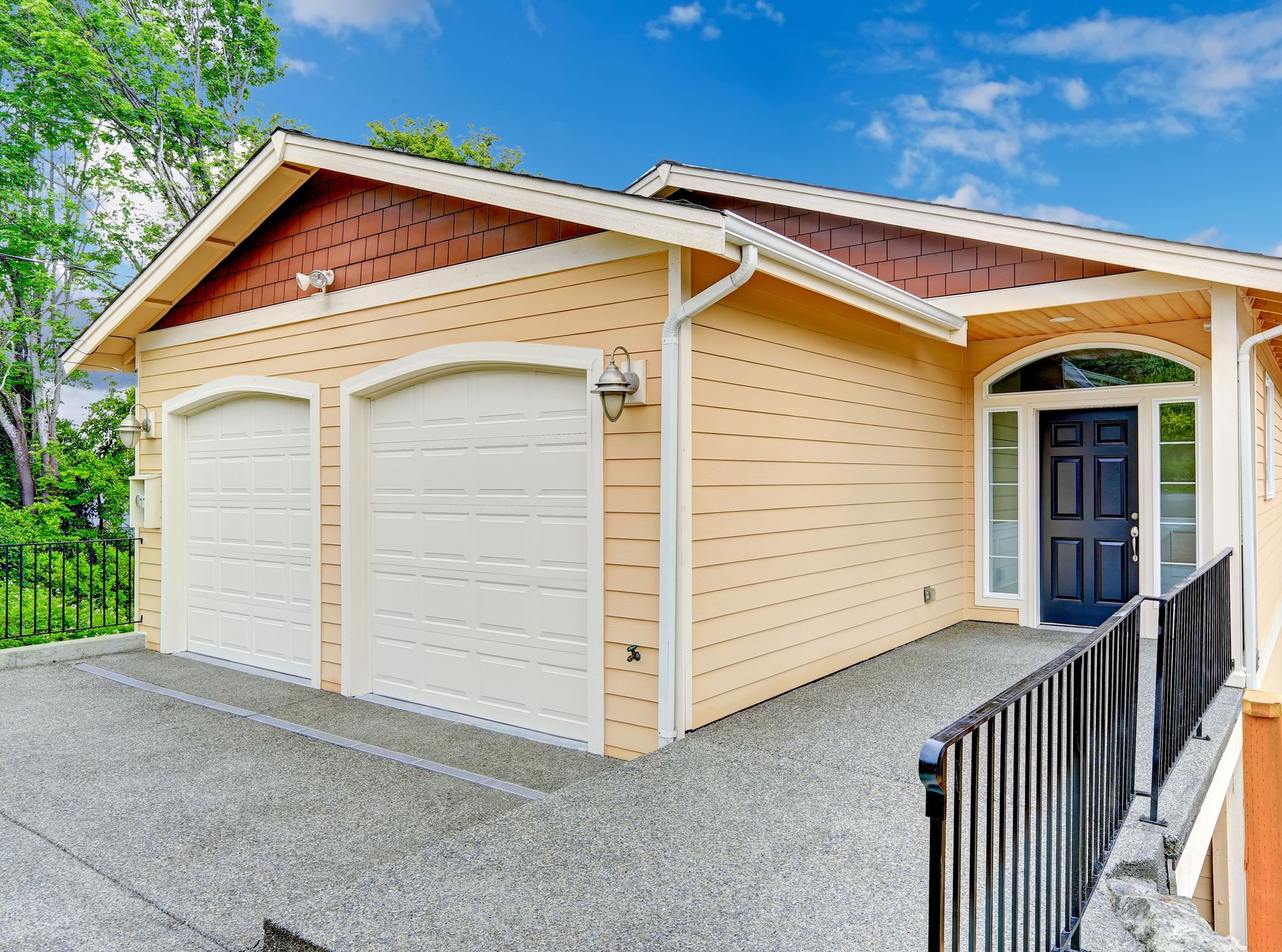
Are you curious about local garage door installations? Read this helpful, detailed article. It covers all the advantages of working with local professionals.
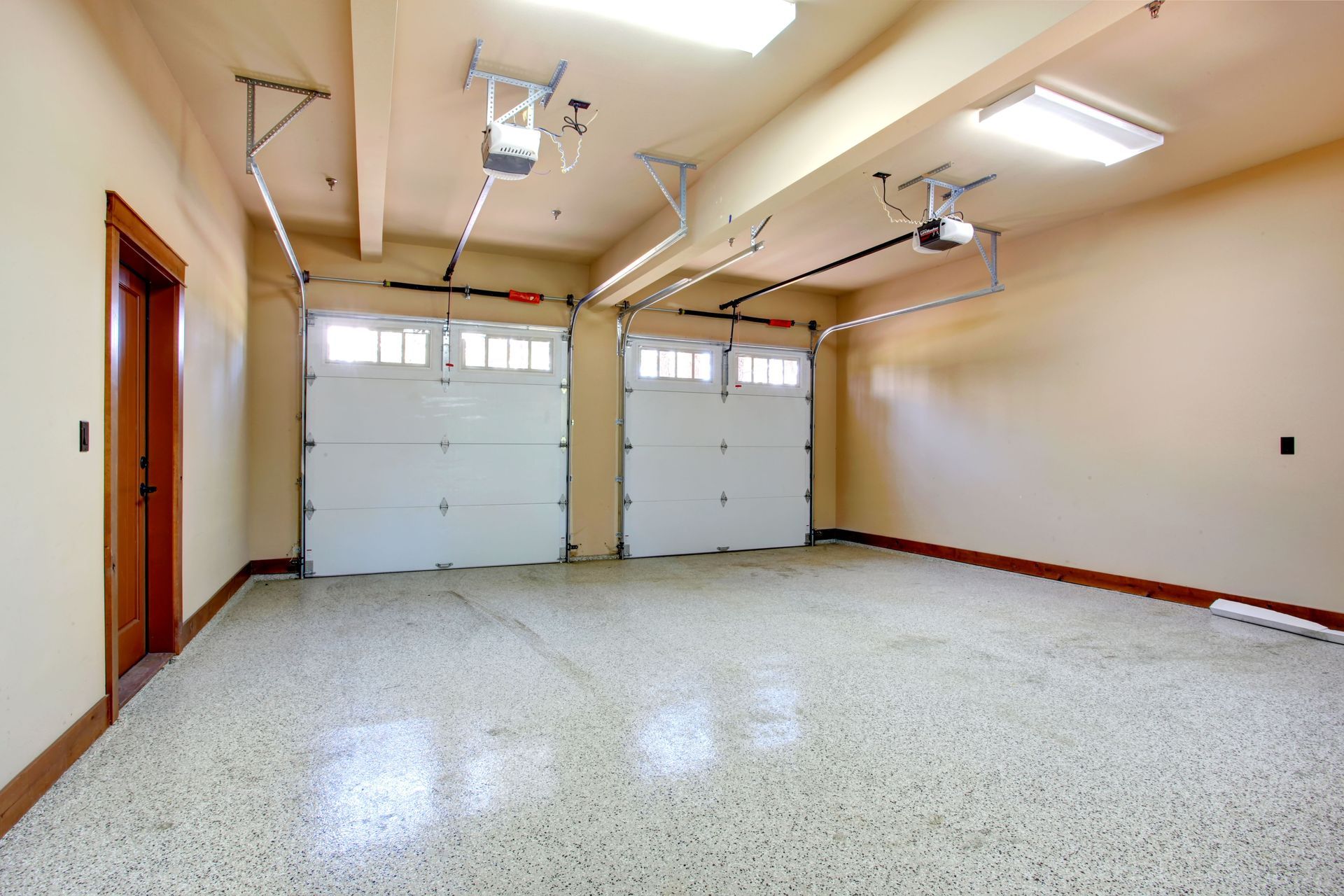
Garage door repair companies ensure that garage doors function correctly and securely, providing a barrier against unauthorized entry and potential threats.